
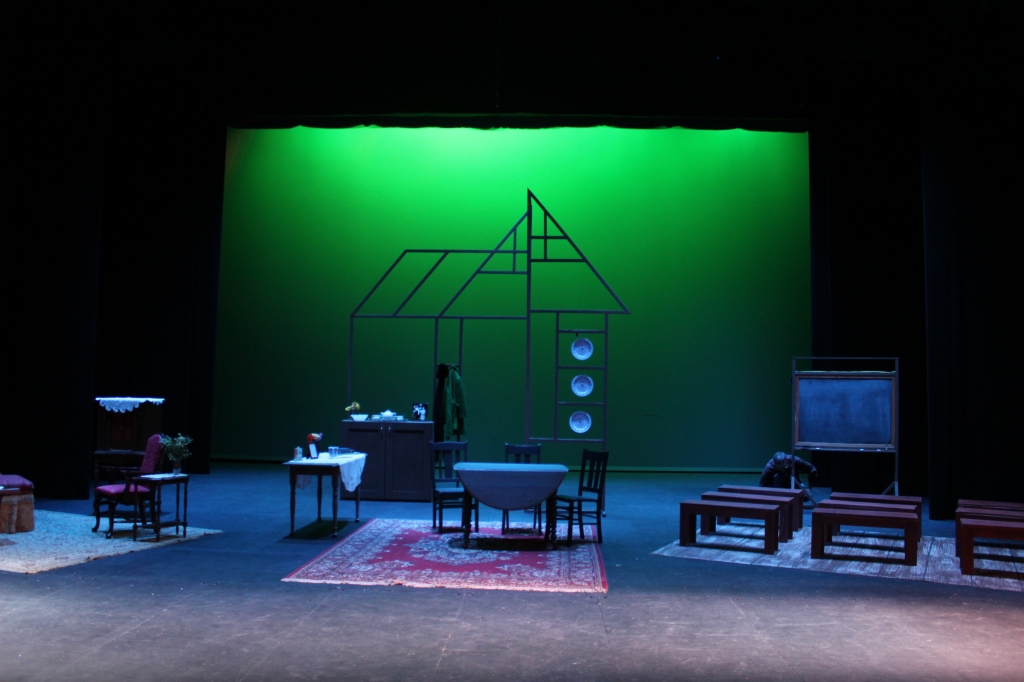
In today’s fast-paced world, where visuals continually seeking for our attention, stage design has evolved to embrace simplicity and elegance. At Justified Vision, we believe in the principle of “Less Is More” when it comes to stage design, because it allows artists to communicate profound narratives without overwhelming audiences with complexity. In this Blog post, we will explore into the principles of minimalist stage design and explore how simplicity can lead to powerful visual effects.
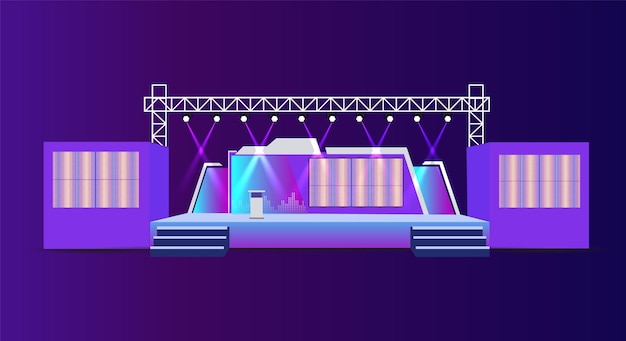
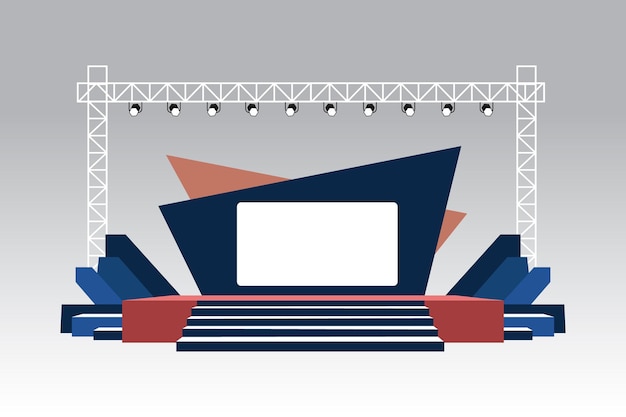
Understanding Minimalist Stage Design?
Minimalism in stage design is not merely about reducing content; rather, it is a thoughtful approach to expression, where every element is carefully considered for its contribution to the overall narrative. It emphasizes clarity, focus, and the effective use of space, enabling audiences to engage with the performance on a deeper level. This approach is not about reducing quality but rather pointing on what matters most, giving the audience room to focus on the performance or message without distraction.
The Principles of Minimalist Stage Design
Minimalism in stage design isn’t just about using fewer elements. It involves a thoughtful process that balances function with form, creating an environment where every design choice has purpose. Below are some core principles that guide successful minimalist stage design:
1. Clarity and Focus:
In minimalist stage design, clarity is king. Each design element is chosen with intent, directing the audience’s attention to the most important aspects of the performance. By stripping away excess; designers can distill the essence of a production, allowing the story and emotions to shine through. This can be achieved through a limited color palette, streamlined props, and basic geometric forms that draw the audience’s attention to the performers.
2. Purposeful Use of Space
Minimalist design embraces open spaces, allowing elements on stage to breathe. Negative space, or the areas not filled with design elements, plays a significant role. It helps to guide the eye, create contrast, and can evoke emotions like calmness or tension depending on how it’s used.
3. Subtle Lighting
Lighting is a fundamental aspect of minimalist stage design. Rather than relying on elaborate lighting schemes, minimalist designs use light selectively to highlight key aspects of the stage or performers. Subtle shifts in lighting can change the mood or draw attention to specific moments in a performance.
In minimalist stage design, lighting plays an instrumental role that goes beyond mere illumination. Light can as well create atmosphere, evoke emotions, and define spaces. By using minimal lighting, designers can craft stark contrasts that emphasize the mood of a scene. Shadows can also convey depth and mystery, enriching the narrative without adding physical elements to the stage.
4. Neutral Color Palette
Minimalist stage designs typically feature a restrained color palette. Neutral colors like white, black, and grey are common, creating a blank canvas that performers or branded elements can bring to life. Pops of color, when used, stand out more prominently and have a stronger visual impact. A limited color palette can enhance the minimalist aesthetic and guide the audience’s emotional response to a performance. Neutral tones evoke calmness and introspection, while bold colors can inject energy and urgency. By strategically choosing colors, designers can reflect the underlying themes of the piece, influencing how the audience feels and interprets the story.
5. Use of Simple Geometric Forms
Minimalist stage design often employs simple geometric shapes—squares, rectangles, and circles. These forms serve multiple purposes: they can be platforms, backdrops, or barriers, but they also provide aesthetic clarity. The shapes are easy to perceive and align with the overall clean, uncluttered aesthetic.
How Simplicity Creates Powerful Visual Effects
When done right, minimalist stage design can evoke powerful emotional responses. The simplicity provides a sense of clarity that allows the audience to engage more deeply with the performance, rather than getting lost in the details of elaborate backgrounds or props.
Here are a few ways minimalism can create powerful effects:
– Amplifies Key Moments: Without too many distractions, key moments of a performance are more memorable. The absence of excess makes room for emotional highs to hit harder.
– Creates Contrast: Minimalist design uses contrast to great effect. Whether through lighting, color, or spatial arrangement, the contrast between empty space and filled space amplifies the visual impact of elements in focus.
– Encourages Audience Imagination: By leaving more to the imagination, minimalist design invites the audience to mentally fill in the gaps. This form of engagement can make a performance feel more personal and immersive.
– Reduces Distractions: When there’s less to look at, the audience can focus on what matters—whether it’s the message, the performer, or the action taking place.
The Power of Simplicity
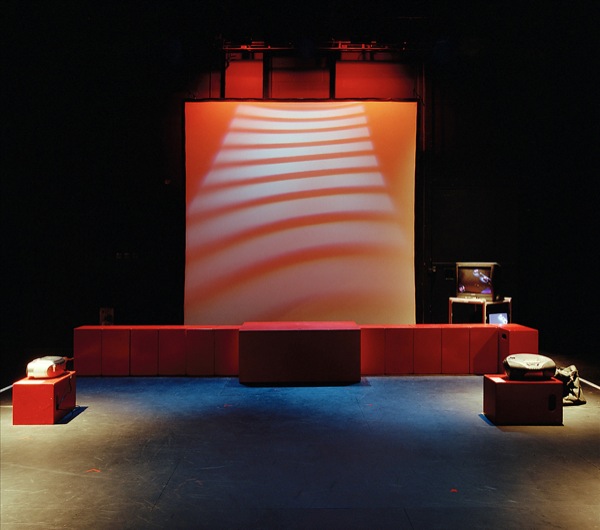
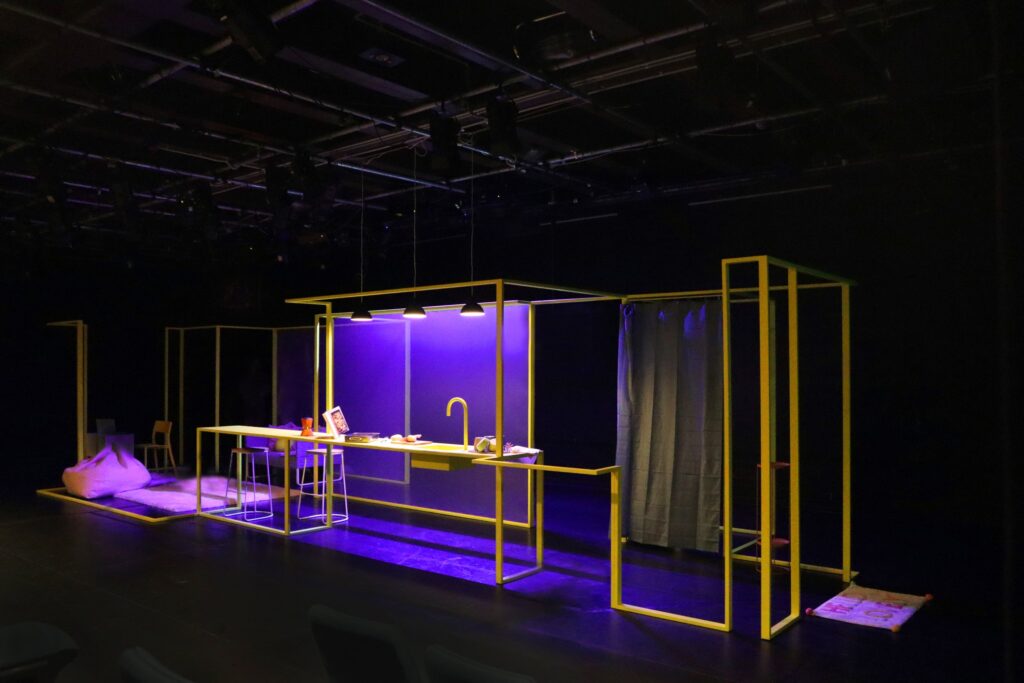
Minimalism is powerful for several reasons. First, it reduces the cognitive load on the audience, allowing them to engage more deeply with the emotional and thematic undercurrents of the performance. Secondly, it opens the way for innovative storytelling techniques. For instance, when there are fewer physical distractions, audiences are more inclined to interpret and fill in the gaps, creating an interactive experience that transcends the conventional spectator role.
Minimalism and Modern Stage Design
In today’s fast-paced world, where audiences are constantly bombarded with information and visuals, the clean, focused aesthetic of minimalist stage design offers a refreshing alternative. At Justified Vision, we incorporate these principles to create stage designs that not only look sophisticated but also enhance the experience for the audience. Our stage designs are simple, yet they speak volumes, providing a blank slate that can be customized to reflect the performance’s core message.
We’ve seen firsthand how powerful minimalist stage design can be, whether for corporate events, concerts, or theatrical performances. There shall be an appreciation on the elegance and flexibility of minimalist design because we look into the easy adaptation to various themes without overwhelming the senses.
Conclusion
At Justified Vision, we believe that minimalism in stage design is more than just a trend; it’s a timeless approach that offers numerous creative possibilities. By focusing on essential elements and employing simplicity, minimalist design ensures that each performance or presentation leaves a lasting impact. In the hands of a skilled design team, the “Less Is More” philosophy can deliver experiences that are not only visually stunning but also deeply moving.
Are you looking to create an impactful stage design for your next event? Contact us today at Justified Vision Global Limited, and let’s explore how minimalism can elevate your event to the next level.