
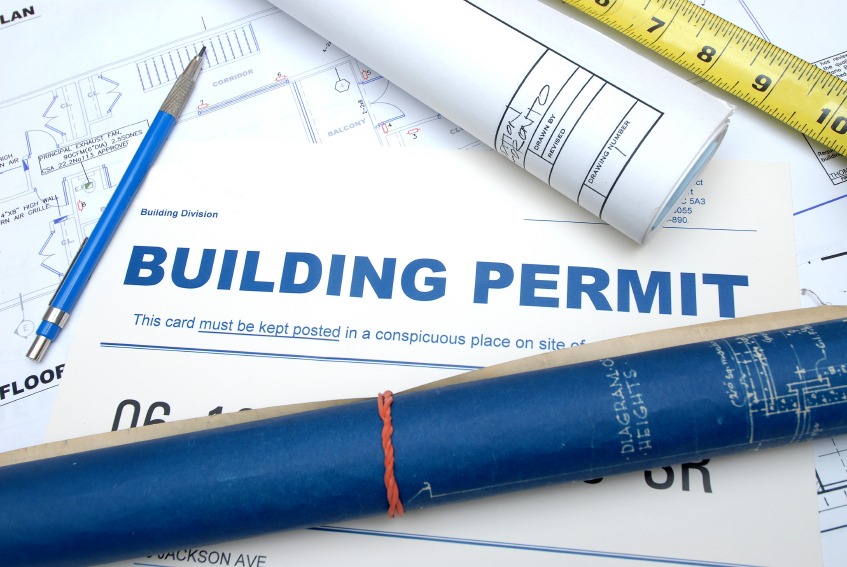
When embarking on a construction or renovation project, understanding building permits is crucial. Obtaining the necessary permits ensures that your project complies with local regulations, safety standards, and zoning laws.
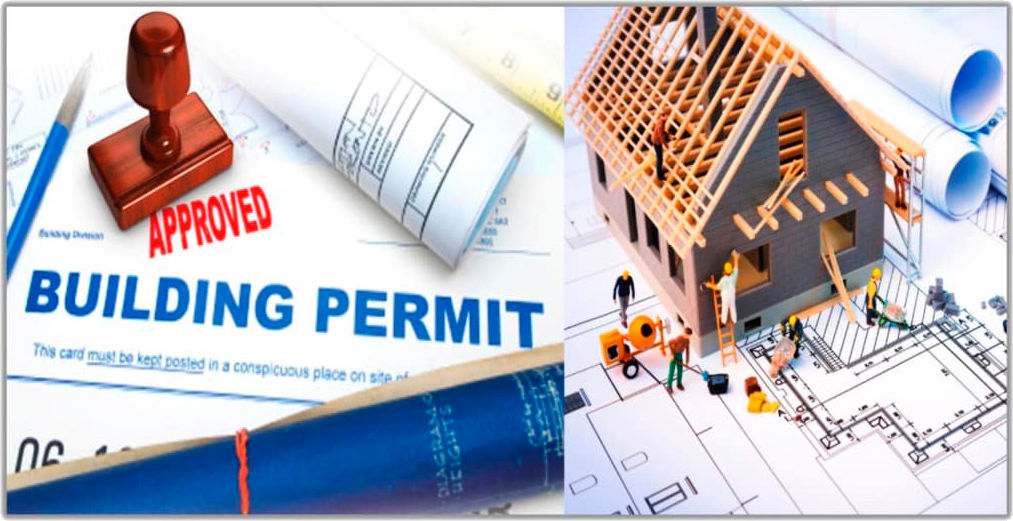
At Justified Vision Global Limited, we understand that embarking on a construction project is both exciting and complex. Whether you are renovating an existing structure or building from the ground up, one essential aspect you cannot afford to overlook is obtaining a building permit. This crucial document ensures your project complies with local laws and safety standards, helping you avoid costly mistakes and legal complications down the road.
In this blog, we will dive into the importance of building permits and outline the process for obtaining them, empowering you with the knowledge to successfully navigate the pre-construction phase.
What is a Building Permit?
A building permit is an official approval issued by a local government agency that allows you to proceed with construction or renovation. It signifies that your proposed work meets building codes, zoning laws, and safety regulations.
Why Are Building Permits Important?
Building permits serve as an official approval from local authorities, confirming that your project aligns with zoning laws, building codes, and safety regulations. Securing a building permit is not just getting sake; it’s vital for ensuring the safety, legality, and structural integrity of your project. Here are some key reasons why building permits are important:
1. Ensures Safety Compliance
Permits help ensure that construction meets safety standards, reducing the risk of accidents. Building codes exist to protect public safety. Whether it’s fire safety, structural integrity, or electrical systems, permits help ensure your project meets all essential safety standards. Without these safeguards, you risk accidents, injuries, and liability issues down the line.
2. Prevents Legal Issues
Proceeding into a building project without a permit can lead to serious legal consequences or penalties, including fines, stop-work orders, or even the need to demolish unauthorized work. A permit serves as proof that your project is legal, giving you peace of mind and protecting your investment.
3. Supports Future Transactions
Properly permitted work can increase the value of your property and may be essential for future sales. Building permits become a part of your property’s history. If you decide to sell the property in the future, potential buyers or lenders may require proof that all work was done legally and up to code. Failure to show permits could lower the property’s value or complicate the sale.
4. Facilitates Professional Oversight
When you obtain a building permit, local inspectors will review your plans and conduct site inspections at various stages. They ensure that the work complies with local laws, standards, and regulations. This oversight ensures the work is being performed to the correct standard and helps catch potential issues early.
Types of Projects That Require Permits
While requirements vary by location, most construction projects will require a building permit. Some common projects that often require permits include:
* New construction (residential or commercial buildings)
* Home additions (extra rooms, garages, etc.)
* Structural changes (removing or adding walls)
* Major renovations or remodels
* Electrical and plumbing work
* Roofing installations or significant repairs
* Fencing over a certain height
* Decks, patios, and pools
* Demolitions
Smaller cosmetic changes, like painting or installing flooring, generally do not require permits. However, it’s always best to check with your local authorities to confirm whether your project needs a permit.
The Process of Obtaining a Building Permit
Now that you understand why building permits are crucial, let’s walk through the steps involved in obtaining one. While the specifics can vary depending on your location, the general process remains consistent across most regions.
1. Prepare Your Project Plans
The first step is creating detailed plans for your project, which may include architectural drawings, site plans, and engineering reports. Detailed information helps the approval process. At Justified Vision, we can help you with the design and planning phase to ensure your documentation is up to code and ready for submission.
2. Submit a Permit Application
Once your plans are ready, you will need to submit a permit application to your local building authority. This can often be done online or in person. Along with the plans, you may need to provide other documents, such as proof of property ownership or environmental impact reports, depending on the scale of your project.
3. Pay the Required Fees
There are usually fees associated with building permit applications, which cover the costs of plan reviews and inspections. The fee amount typically depends on the size and complexity of the project.
4. Undergo Plan Review
After submitting your application, the building department will review your plans to ensure they comply with all relevant codes and regulations. They may require additional information, revisions or clarifications before granting approval.
5. Receive the Permit
Once your plans are approved, you will receive the building permit. This permit must be displayed on-site throughout the duration of the project, and you are now legally allowed to begin work.
6. Approval and Inspections
Once approved, you can commence work. As work progresses, you will be required to schedule inspections at key milestones (e.g., after foundation work, framing, or electrical installations). These inspections ensure the work meets the approved plans and local codes. Once the project is completed and passes final inspection, you will receive a certificate of occupancy or project completion, depending on the type of project.
7. Research Regulations
Check your local building department’s website to understand requirements specific to your project.
How Long Does It Take to Obtain a Building Permit?
The duration for obtaining a permit can vary widely, from a few days to several weeks, depending on:
– The complexity of the project
– Volume of applications being processed
– Local government efficiency
Cost of Building Permits
Permit fees vary greatly based on location, the type of project, and its scale. It’s important to budget for these costs early in your project planning.
Working with Professionals
Consider hiring professionals (architects, engineers, contractors) who are familiar with local building codes and permit processes. They can help navigate the complexities and ensure compliance.
Common Mistakes to Avoid
– Assuming Permits Are Not Needed: Always verify whether your project requires a permit.
– Not Following Up: Make sure to keep track of your application status and respond promptly to any requests from the permit office.
– Neglecting Inspections: Schedule and pass all necessary inspections to avoid complications later.
After Permit Approval
Once you’ve obtained your permit, keep it visible on site throughout the duration of the project. You may also need to schedule and pass inspections to ensure that the work is up to code.
Common Challenges in the Permit Process
While obtaining a building permit is a necessary step, it can come with challenges, especially for larger or more complex projects. Here are a few common issues and how to address them:
– Delays in Approval: Permit approvals can sometimes take weeks or months, particularly if there are issues with the initial plans. To avoid delays, ensure all documentation is accurate and complete before submission.
– Zoning Restrictions: Local zoning laws may limit the type of construction allowed in specific areas. Research zoning regulations early in the planning phase to avoid conflicts.
– Unexpected Costs: Permit fees can add up, especially for large-scale projects. Factor permit-related costs into your project budget to prevent surprises later.
At Justified Vision, we assist our clients in navigating these hurdles, ensuring a smooth and efficient process from start to finish.
Final Thoughts
Securing a building permit is a critical step in any construction or renovation project. It protects both the property owner and the public by ensuring that the work meets local safety and building standards. At Justified Vision, we provide expert guidance to help you through the building permit process, from design and application to final inspection.
Note: understanding building permits is essential for a successful construction project. Take the time to educate yourself about your local regulations and engage with professionals as needed. This proactive approach will help you avoid issues and ensure that your project is completed safely and legally.
For more information on how we can help with your next project or to consult with our team on obtaining building permits, Contact us today. Let’s build safely, legally, and efficiently together.