
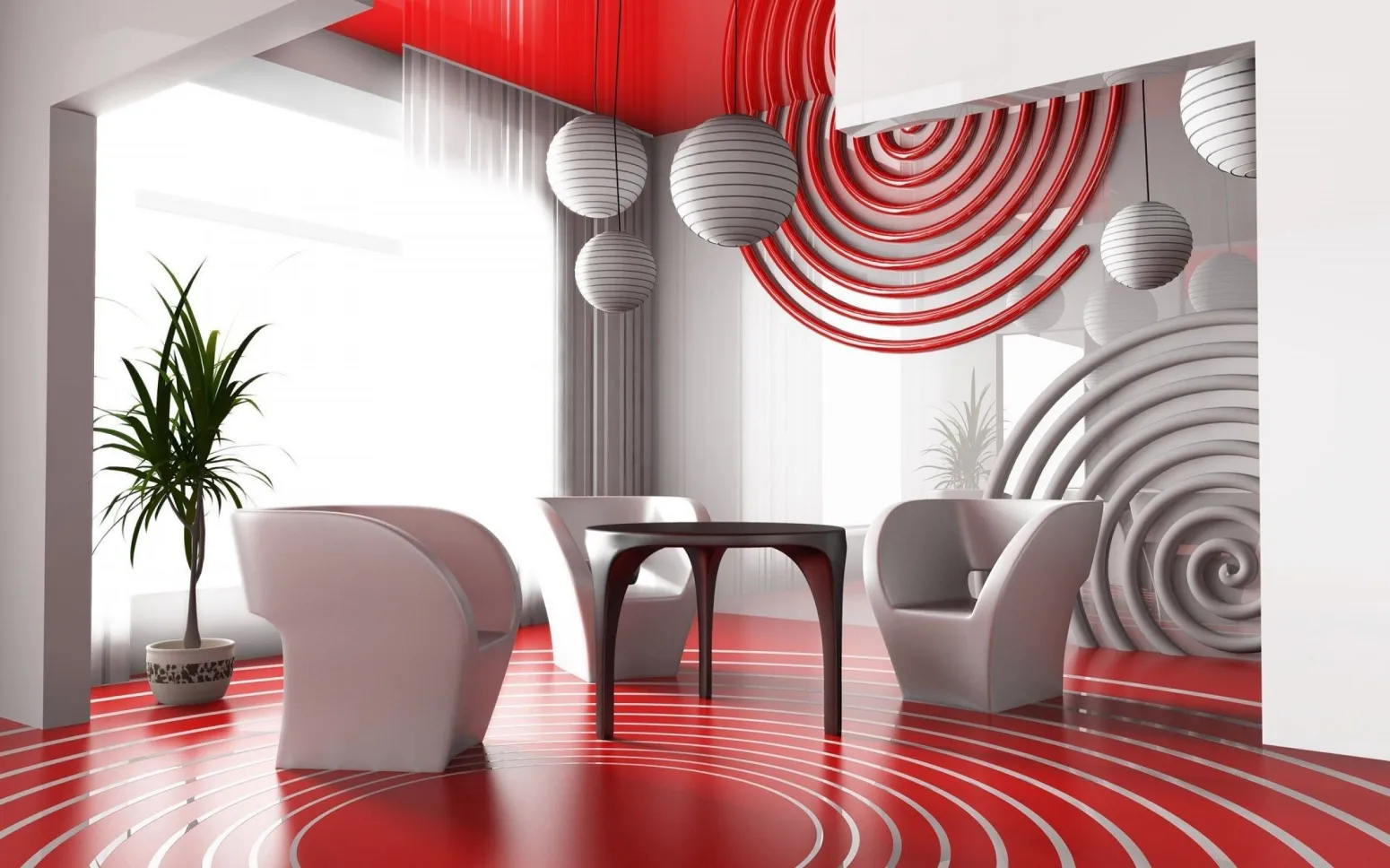
Welcome to the Justified Vision blog! Today, we’re diving deep into the fascinating world of COLOR PSYCHOLOGY in interior design. The colors we choose for our living spaces can significantly influence our mood, emotional wellbeing, and even our behavior. Understanding how different hues impact our experiences can empower us to create environments that improve comfort, productivity, or relaxation.


When designing interiors, color isn’t just about aesthetics-it’s a powerful tool. At Justified Vision Global Limited, we understand how critical it is to select the right hues for every space, whether it’s a home, office, or stage design.
Let’s explore how to select the perfect palette for each room in your home!
Understanding Color Psychology
Before we jump into specific colors and their effects, it’s essential to grasp the concept of color psychology. It’s the study of how colors affect human emotions and behaviors. Every color carries its own meaning and can evoke different feelings. Colors affect the way we feel and interact with a space. Warm tones like red and yellow stimulate energy and conversation, while cooler tones like blue and green evoke calmness and relaxation. By understanding how colors work on a psychological level, you can create spaces that perfectly align with their purpose. Here’s a breakdown of some common colors and their psychological effects:
RED
A bold and energizing color that can evoke passion, excitement, and urgency. Ideal for spaces meant for activity, like a dining room or gym, but might be overwhelming in excess.
BLUE
Known for its calming and serene qualities, blue promotes a sense of peace and relaxation. It’s perfect for bedrooms and spaces intended for unwinding.
YELLOW
A cheerful and vibrant hue that stimulates happiness and creativity. Great for kitchens or playrooms, but use sparingly in large doses as it can be overwhelming.
GREEN
Represents nature and tranquility. This rejuvenating color can instill a sense of balance, making it perfect for living rooms and home offices.
PURPLE
Often associated with luxury and creativity, purple can inspire imagination. Light shades work well in bedrooms, while deeper tones add drama to dining rooms or lounges.
NEUTRALS (Black, White, Gray, Beige)
Provide stability and neutrality, allowing for flexibility in design. Neutrals can create calmness but may feel lifeless without accent colors.
Now that you understand how colors can influence mood, let’s look at how to incorporate these insights into your interior design.
Room-by-Room Color Guide
1. Living Room: Warm and Inviting
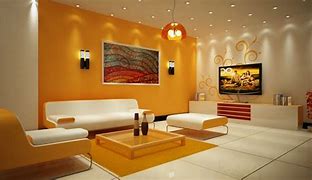
In the living room, you want to create a space that feels inviting and comfortable for gatherings. Consider warm neutrals as the base, complemented by earthy greens or soft blues for tranquility. Use accents of yellow or orange in décor pieces to foster a warm, inviting atmosphere.
The living room is a social hub, ideal for creating warmth and vibrancy.
- Recommended Colors: Shades of beige, light browns, soft yellows, or muted oranges.
- Effect: These colors promote conversation, comfort, and coziness. Accents like a red pillow or gold décor can add energy without overwhelming the space.
2. Bedroom: Calm and Restful
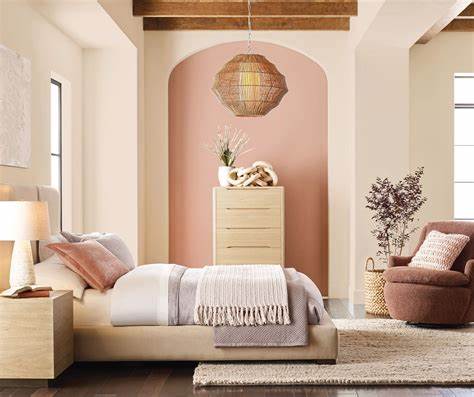
The bedroom should be a haven for rest and rejuvenation. Soft shades of blue, lavender, or gentle greens can promote relaxation. Avoid overly stimulating colors like bright red or yellow, and instead opt for muted tones and textures that invite calm before sleep.
Your bedrooms should inspire rest and relaxation.
- Recommended Colors: Soft blues, pale greens, and lavender.
- Effect: These cool tones create a serene atmosphere, helping to reduce stress and improve sleep quality. Avoid bright or bold hues that might over-stimulate.
3. Kitchen: Energizing and Fresh
The kitchen is often the heart of the home and should exude warmth and energy. Bright yellows or soft oranges can elevate mood and stimulate appetite. Pair these hues with neutral cabinetry for balance and to prevent overstimulation. The kitchen benefits from colors that stimulate appetite and energy.
- Recommended Colors: Earthy tones like terracotta, sunny yellows, or even pops of green.
- Effect: Yellow inspires warmth and positivity, while green reflects freshness and health. Avoid overly dark shades that can make the space feel heavy.
4. Bathroom: Clean and Refreshing
For bathrooms, go for colors that inspire cleanliness and refreshment. Light blues, whites, or soft grays create a serene atmosphere. A splash of green can also bring nature indoors, enhancing relaxation during bath time. Bathrooms should express cleanliness and tranquility.
- Recommended Colors: Whites, soft greys, or aqua blues.
- Effect: White conveys cleanliness and spaciousness, while blue and grey tones evoke a spa-like calm. Subtle metallic accents can add sophistication.
5. Home Office: Focus and Productive
To enhance productivity, choose colors that foster concentration. Cool blues or greens work wonders in a home office, providing both focus and serenity. Add pops of yellow for creativity without overwhelming the space. A home office requires colors that enhance focus and creativity.
- Recommended Colors: Muted greens, deep blues, or earthy neutrals.
- Effect: Green boosts focus and reduces fatigue, while blue encourages clear thinking. Add a dash of yellow for creativity if your work is artistic.
6. Children’s Room: Fun and Playful
A child’s room should balance fun with comfort.
- Recommended Colors: Bright colors like yellow, light blue, or pastel pink.
- Effect: Yellow sparks creativity and energy, while soft pastels keep the room soothing. Avoid overly bright colors that can cause restlessness.
7. Dining Room: Connection and Conversation
In dining spaces, the goal is to stimulate conversation and connection. Consider warm reds or earthy browns as they evoke hunger and warmth. Incorporating gold or amber accents can also enhance the overall ambiance, making mealtime a special occasion.
How to Choose the Perfect Color Palette
- Understand the Purpose of the Room
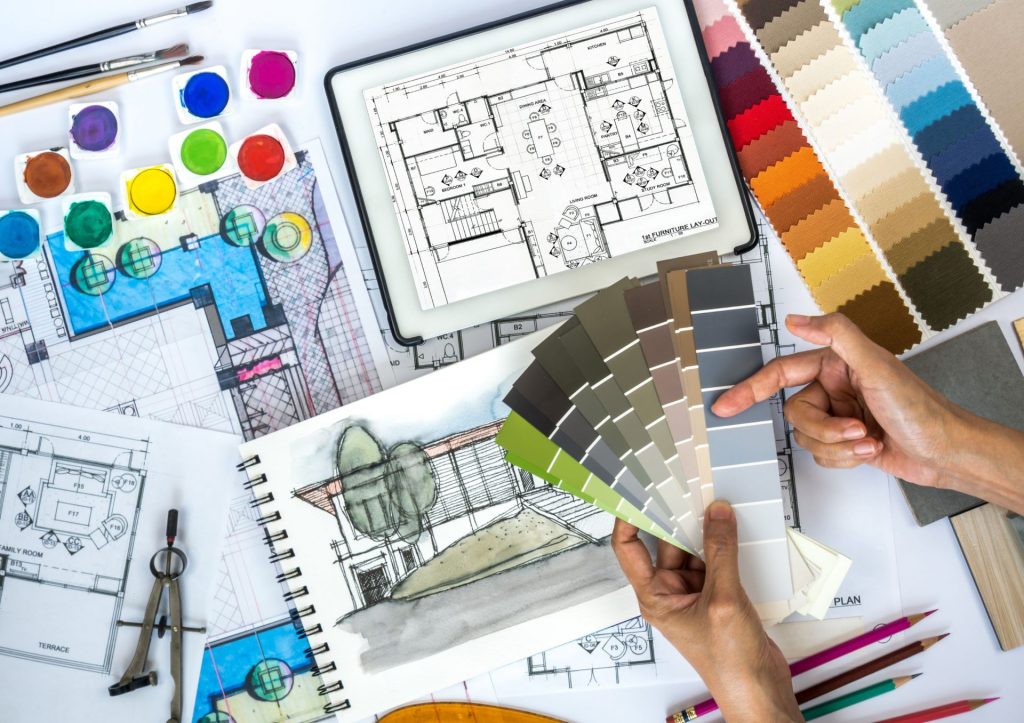
Each room serves a unique purpose. Think about the activities that will take place and choose colors that complement those functions. - Consider Lighting
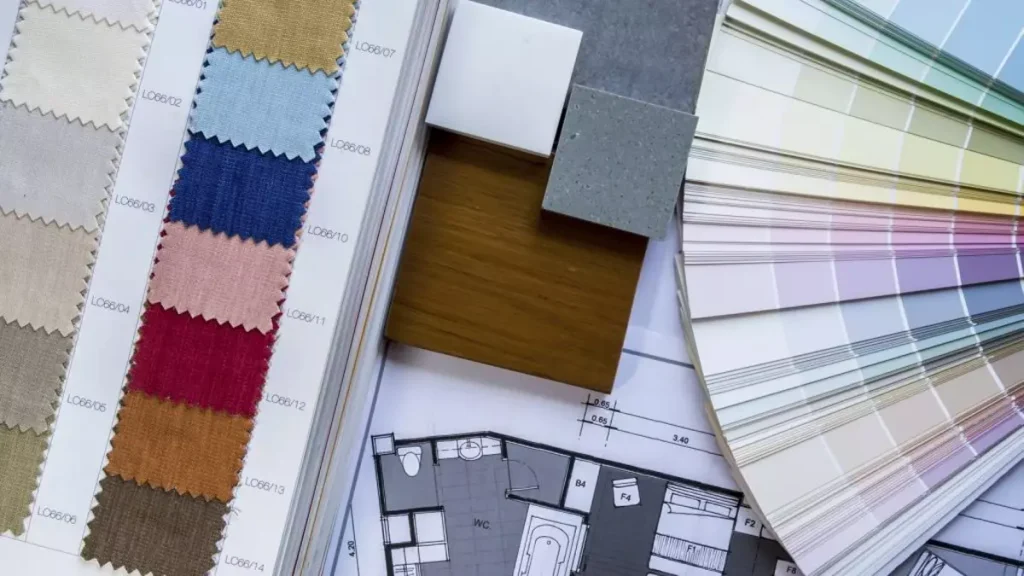
Natural and artificial lighting can change how colors appear. Test paint swatches under different lighting conditions to find the perfect shade. - Create Balance
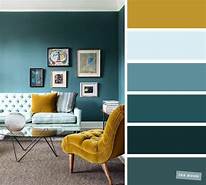
Use bold colors as accents rather than the primary color. Pair them with neutral tones to avoid overwhelming the space. - Reflect Your Personality
while psychology provides guidelines, your personal taste should shine through. Choose colors that resonate with you while aligning with the room’s purpose.
Tips for Selecting Your Palette:
– Test Samples: Paint a small section of the wall to see how the color looks in different lighting at various times of the day.
– Mix Textures: Consider how different materials absorb or reflect color, which can shift the mood of a space.
– Feature Wall: Use a bold color on a feature wall to make a statement without committing to a whole room.
Embrace the art of color psychology in your interior design. It can transform your home into a sanctuary that resonates with your spirit and lifestyle. Explore color with intention, and discover the profound impact it can have on your everyday living experiences.
Final Thoughts: Crafting Your Ideal Palette
When choosing colors, consider both your emotional responses to different hues and the functionality of each space.
At Justified Vision, we specialize in interior design that seamlessly blends aesthetics, functionality, and psychology. Whether you’re designing a cozy living room, a productive office, or a serene bedroom, our team of experts ensures that every color choice enhances the space and complements your lifestyle.
Let’s Transform Your Space Today
The right colors can make all the difference. Contact Justified Vision to bring your vision to life with expert interior design that prioritizes both form and function. Together, we’ll craft spaces that inspire, energize, and comfort. Do well to Contact Us Today for your home pimp.
Your dream space begins with the perfect hue. Let’s paint the future, one room at a time!
Thank you for reading! For more insights and personalized design tips, stay tuned to the Justified Vision blog.