

Renovating a historic home is a dream for many, offering a unique opportunity to preserve a piece of architectural history while creating a beautiful, functional living space. However, this process comes with a distinct set of challenges. In this blog post we shall provide the comprehensive guide; we’ll explore the key considerations and trending strategies for successfully navigating the complexities of historic home renovations.
Understanding the Value of Historic Homes
Firstly, let’s talk about the value of historic homes.
Historic homes hold a special place in our architectural landscape. They offer a glimpse into the past with their unique craftsmanship, detailed woodwork, and classic design elements that are often missing in modern construction. Preserving these homes is not just about maintaining their beauty but also about honoring the historical and cultural significance they represent.
Though, there are some key Challenges in Historic Home Renovations.
1. Regulatory Barriers
Historic Preservation Laws: One of the primary challenges in renovating historic homes is complying with local, state, and federal preservation laws. These regulations are designed to protect the historical integrity of the property and can dictate what changes are permissible.
Obtaining Permits: Securing the necessary permits can be a time-consuming process. It often requires detailed documentation and approval from various preservation boards or commissions.
2. Structural Emanations:
Decades Infrastructure: Many historic homes come with Decades infrastructure that may require extensive repairs or updates. This includes outdated electrical systems, plumbing, and heating, Ventilation, and Air Conditioning (HVAC) systems.
Foundation Problems: Structural issues such as foundation cracks or settling can be common in older homes and may require significant investment to address properly.
3. Sourcing Authentic Materials
Finding Period-Appropriate Materials: One of the most rewarding aspects of renovating a historic home is the opportunity to restore it with materials that match its original construction. However, sourcing these materials can be challenging and often expensive (That’s only if it can still be found in the market). So, While preserving historical elements, it’s important to integrate modern facilities to enhance the functionality and comfort of your home.
Salvage and Reclamation: Utilizing salvage and reclamation yards can be a great way to find authentic materials. This approach is not only sustainable but also helps in maintaining the historical authenticity of the home.
4. Balancing Modern Comforts with Historical Integrity
Blending Modern facilities: Homeowners often want to incorporate modern facilities like updated kitchens, bathrooms, and smart home technologies. The challenge lies in blending these contemporary features seamlessly with the historic character of the home.
Energy Efficiency: Improving energy efficiency in a historic home can be tricky. Upgrading insulation, windows, and heating systems must be done in a way that doesn’t compromise the home’s historical features.
Understanding Historical and it Significance
Before diving into the renovation, it’s crucial to understand the historical significance of your home. Research its architectural style, historical context, and original materials used. This knowledge will help you make informed decisions that honor the home’s past.
Planning the Renovation
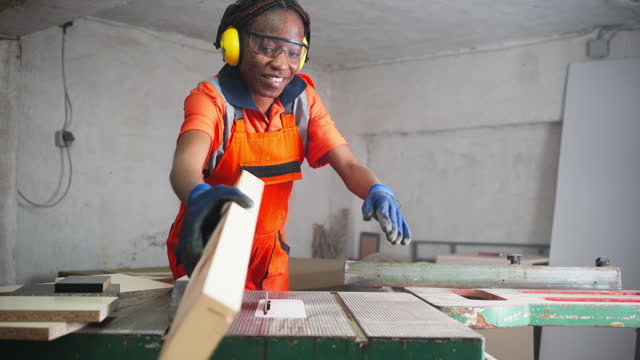
A successful renovation starts with a solid plan. Work with architects and contractors who specialize in historic homes. Their expertise will ensure that the renovation respects the original design while incorporating modern facilities.
Trending Strategies for Successful Renovations
1. Adaptive Reuse and Sustainability
Eco-Friendly Renovations: There is a growing trend towards sustainable renovations that respect both the environment and the historic fabric of the home. This includes using eco-friendly materials, improving energy efficiency, and incorporating renewable energy sources.
Adaptive Reuse: Repurposing spaces within the historic home to serve modern functions can be an effective strategy. For example, converting an old attic into a home office or a basement into a media room.
2. Technology Integration
Smart Home Integration: Incorporating smart home technology in a way that doesn’t detract from the historic aesthetic is increasingly popular.
3. Expert Collaboration
Hiring Specialists: Engaging the services of an architects, contractors, and artisans who specialize in historic renovations is crucial. Their expertise ensures that the renovation respects the home’s historical integrity while meeting modern standards.
Community Engagement: Involving local historical societies and the community can provide valuable insights and support throughout the renovation process. Renovating an older home is not just about updating a living space; it’s about preserving a piece of history and contributing to the legacy of your community. Embrace the journey with patience and passion.
Key Points to Consider:
Architectural Style: Identify the specific architectural style of your home and its characteristic features.
Historical Context: Learn about the era in which the home was built and any notable events or figures associated with it.
Original Materials: Understand the types of materials originally used, such as wood, brick, or stone, and their sources.
Conclusion
Renovating a historic home is a challenging yet immensely rewarding endeavor. It requires a delicate balance of preserving historical integrity while incorporating modern comforts and conveniences. By understanding the unique challenges and leveraging trending strategies like sustainability, technology integration, and expert collaboration, homeowners can successfully navigate the complexities of historic home renovations.
Embracing the past while building for the future, historic home renovations are not just about preserving structures but also about keeping the stories and heritage of these homes alive for generations to come.
We shall be glad to receive your patronage. Feel free to Contact Us today.