
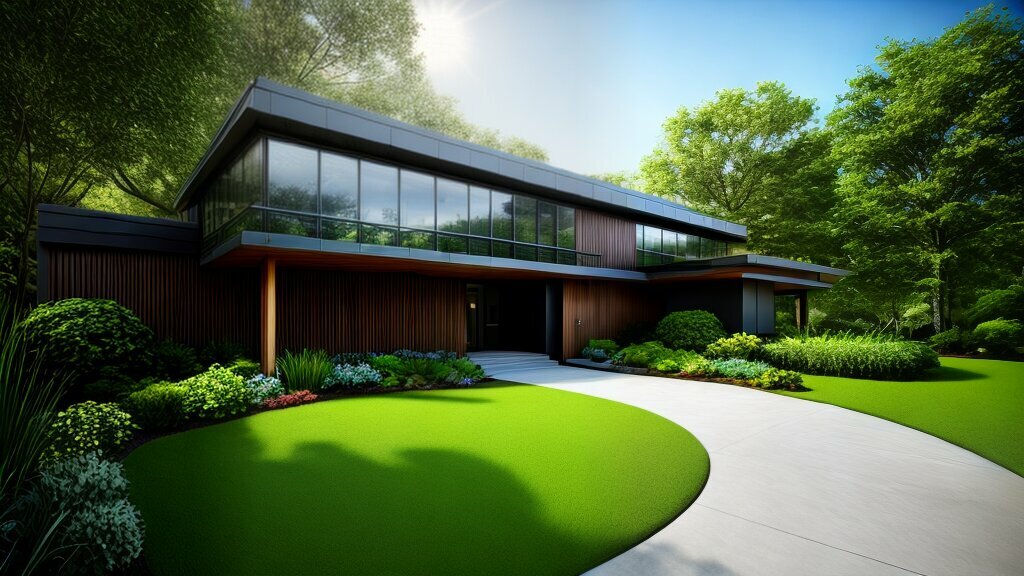
In today’s world, sustainability has become a crucial consideration in many industries, including architecture and construction. As urban environments expand and buildings dominate landscapes, the need for sustainable landscaping is more important than ever. At Justified Vision, integrating green spaces into architectural plans not only aligns with eco-friendly practices but also enhances aesthetic value, functionality, and environmental responsibility.
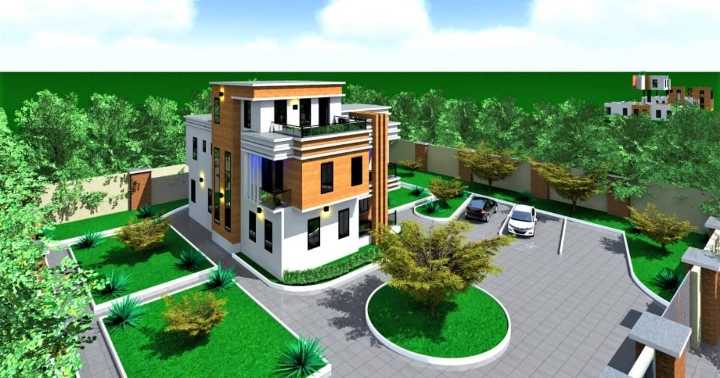
In this blog post, we shall be looking at the following:
The Importance of Sustainable Landscaping
Sustainable landscaping refers to the planning, design, and maintenance of outdoor spaces in a way that conserves resources, reduces environmental impact, and promotes biodiversity. It ensures that both the built and natural environments coexist harmoniously, reducing the ecological footprint of construction projects.
There are several reasons why sustainable landscaping is important:
1. Environmental Benefits:
– Green spaces reduce air pollution by absorbing carbon dioxide and other pollutants.
– Plants and trees help control temperature by providing shade and reducing the urban heat effect.
– Green areas improve soil health, promote water retention, and prevent erosion.
– They promote biodiversity by creating habitats for various species of flora and fauna.
2. Health and Well-being:
– Incorporating nature into urban spaces has been shown to reduce stress and enhance mental well-being.
– Green spaces provide residents and workers with areas to relax, exercise, and reconnect with nature, improving overall quality of life.
3. Economic and Aesthetic Value:
– Landscaped areas enhance the aesthetic appeal of a property, making it more attractive to potential buyers, tenants, and users.
– Sustainable landscaping can reduce long-term costs through efficient water management systems, low-maintenance plant species, and reduced energy consumption.
Key Principles of Sustainable Landscaping
When integrating green spaces into architectural plans, several principles should guide the design process:
Water Conservation:
Water is a precious resource, and sustainable landscaping minimizes its use. This can be achieved through:
– Xeriscaping: Selecting drought-resistant plants that require minimal watering.
– Rainwater Harvesting: Capturing and reusing rainwater for irrigation.
– Smart Irrigation Systems: Using sensors and automated systems to ensure efficient water use.
- Native and Adaptive Plants:
Plants that are native to the region or adapted to local climate conditions thrive with minimal intervention, reducing the need for fertilizers, pesticides, and excessive watering. Native plants also support local wildlife and pollinators.
- Energy Efficiency:
Proper placement of trees and shrubs can reduce the energy consumption of a building by providing shade and insulating properties. For instance, planting deciduous trees on the east and west sides of a building can block the sun’s heat during summer and allow sunlight during winter.
- Waste Reduction:
Sustainable landscaping involves reducing waste by reusing materials such as mulch, compost, and organic waste. In addition, incorporating permeable surfaces allows rainwater to infiltrate the soil, reducing runoff and preventing soil erosion.
- Green Roofs and Vertical Gardens:
As urban spaces become more limited, innovative solutions such as green roofs and vertical gardens can maximize greenery. These installations not only improve air quality but also provide insulation, reduce stormwater runoff, and create unique visual features.
Integrating Green Spaces into Architectural Plans
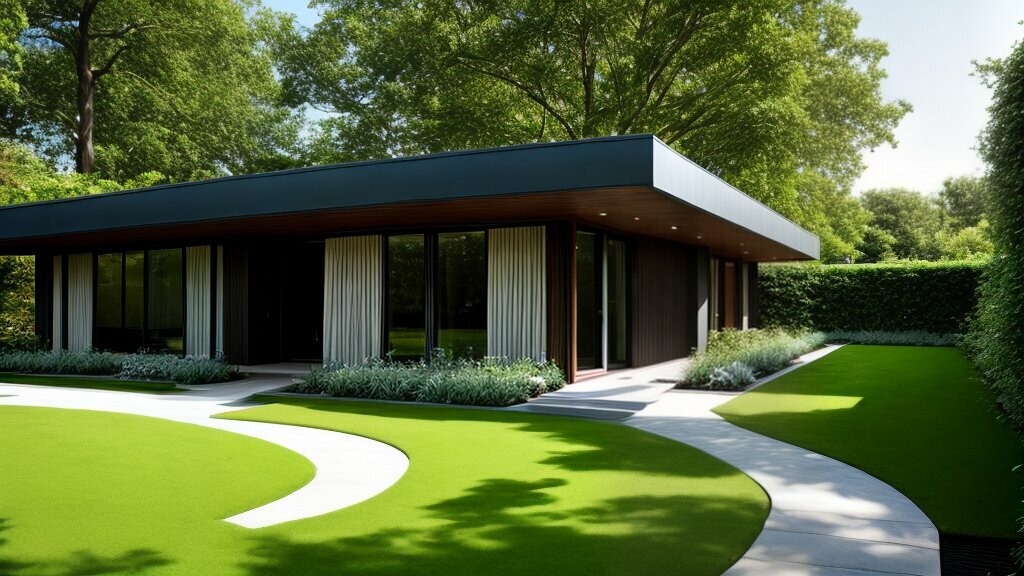
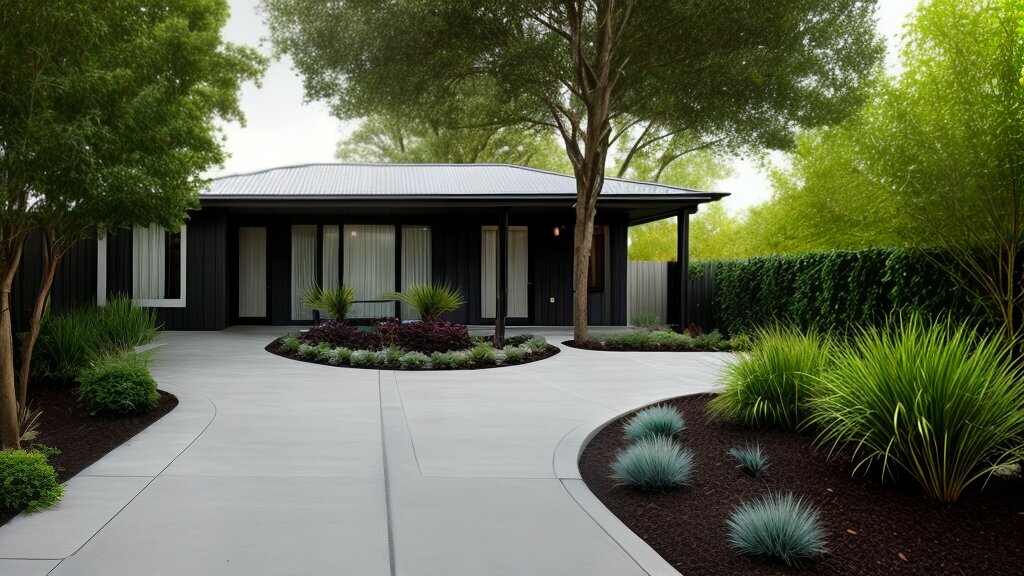
At Justified Vision Global Limited, we understand that sustainable landscaping should not be an afterthought, but a fundamental part of the architectural design process. By working closely with landscape architects, architects, and urban planners, we ensure that green spaces are integrated seamlessly into the overall project design.
Here’s how sustainable landscaping can be integrated into architectural plans:
Initial Site Assessment:
Before designing or breaking ground, an in-depth assessment of the site is necessary. This includes evaluating the soil, existing vegetation, water sources, and sun exposure. This information guides our decisions on plant selection and landscape design, ensuring they are appropriate for the local environment.
- Blending Architecture with Nature:
We believe that architecture and landscaping should not be separate entities. Green spaces should complement the architectural style and functionality of the building. For instance, modern buildings can be softened with native plant species, while natural materials like stone and wood can create a harmonious blend between indoor and outdoor spaces. We might as well design a building to accommodate roof gardens and maximize natural light for plants.
- Functional Outdoor Spaces:
Green spaces should serve more than just an aesthetic purpose. By designing gardens, courtyards, or rooftop spaces for social interaction, relaxation, or recreation, we can enhance the usability and value of a building. These spaces can also include water features or shaded walkways for added functionality.
- Sustainable Infrastructure:
Incorporating sustainable landscaping into architectural plans also involves integrating infrastructure like rain gardens, bio-swales, and green walls that manage stormwater and improve air quality. These features not only contribute to environmental sustainability but also create a distinctive look that sets the project apart.
- Community Engagement:
Urban green spaces often serve a broader community beyond the building’s occupants. Public green spaces, parks, and plazas should be designed to foster social engagement, create a sense of place, and promote environmental stewardship within the local community.
The Future of Green Architecture
The future of architecture lies in its ability to innovate and integrate sustainable practices that respond to the challenges of climate change, resource scarcity, and urbanization. Sustainable landscaping is a key part of this future, as it helps build resilient cities that prioritize environmental well-being alongside human comfort and aesthetics.
At Justified Vision, we are committed to staying at the forefront of sustainable architectural and landscaping practices. Whether it’s through green roofs, eco-friendly urban parks, or water-efficient irrigation systems, we believe that green spaces can enhance both the form and function of architectural projects.
Conclusion
Sustainable landscaping is more than just planting trees and shrubs—it’s about creating spaces that benefit both people and the environment. By thoughtfully integrating green spaces into architectural plans, we can contribute to a healthier, more sustainable future. Our commitment to eco-friendly designs ensures that every project we undertake not only looks great but also supports environmental goals, enhances community well-being, and adds long-term value to properties.
Reach out to Contact Justified Vision today to discuss how we can bring your green vision to life.